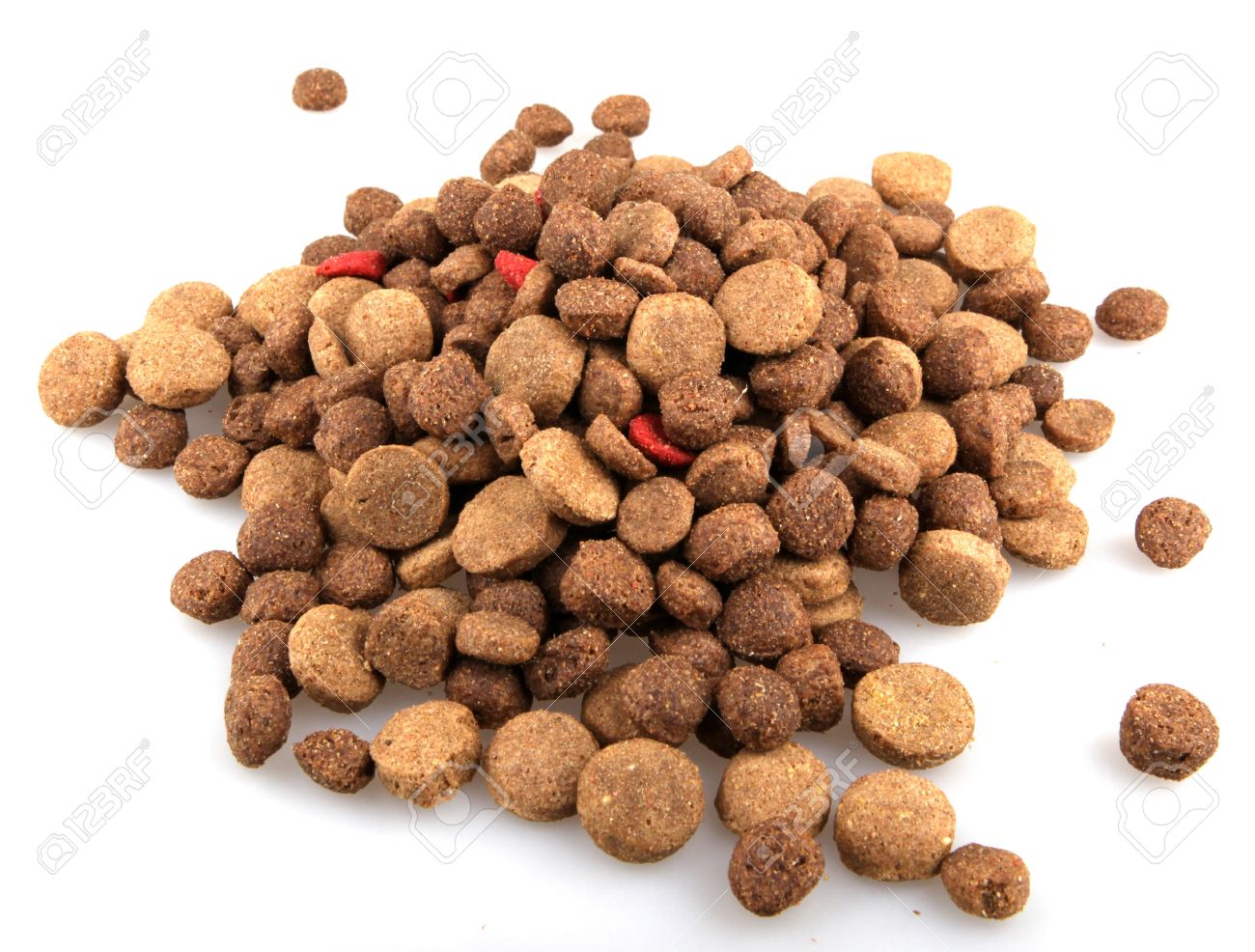
You can bring your cat along with you to the pet store and buy her some organic cat treats. Organic pet food has become very popular in recent years because it is good for both your pet and the environment. Organic or natural food is especially good for pets who get their nourishment from vegetables. Many veterinarians even recommend organic cat food because it contains no amounts of preservatives, artificial coloring and added flavors. You will notice that many brands of organic treats also have whole grains included in their ingredients, which means that they contain all the nutrients that your cat needs for a healthy life. Your vet can advise you on the best brand of organic cat food that contains all the necessary nutrients for your pet.
Read Those Labels Carefully!
If you feed your feline friend commercial brand food at home, it is important to read the label carefully to make sure that it is actually an organic brand. There are many products out there that claim to be organic but are actually not. This includes a lot of different things, including food that is labeled “natural cat food” but which has chemicals and other additives put in them, as well as treats such as canned food that has been filled with powdered milk. Even if you choose to use organic cat treats at home, you should never feed your feline friend any powdered milk or any animal by-products, because these items can be toxic to cats.
Natural pet treats are better for the environment than store-bought ones. However, since organic cat treats have become such a hot item in recent years, more pet stores are offering them. Unfortunately, many people do not know what the difference is between the real and fake products, so they end up buying something that is not as good for their pet as they would have bought something else. So how do you find the best organic treat?
First of all, you will want to make sure that the kitty treats you get are made from a pure source. There are many different types of natural foods that you can buy, including corn, vegetables, fruits, honey, wheat and even tea. The best treat for your cat will be one that is made from one of these sources, because the ingredients will be pure and natural and there is a much lower risk of harmful side effects occurring. You should also keep an eye out for fillers and byproducts in the organic brands. These substances may not be harmful to humans, but can be to animals, so it is a good idea to read the label carefully when choosing the treat for your feline friend.
Check The IngredientsLook for kitty treats that are made from all natural ingredients. Some of the better brands will be made from rice, beans, nuts, apples and even spices. Look for the leaner options and stay away from heavy recipes that use large amounts of butter or cream. This will make the kitty feel heavy and sluggish, which may result in them avoiding the entire thing altogether! So instead, find organic cat treats that are very low in fat and high in nutrition, so they are more appealing to your feline friend.
If you’re going to be buying kitty treats for your pet, you need to make sure they are well-liked by cats and dogs. You can use search engine queries or a simple internet search engine to find the best organic cat treats for your precious little fur ball. You can also read customer reviews of specific brands online, so you’ll know which ones to trust. When you buy your natural cat treats, remember to inspect the ingredients first and you’ll never have to worry about harmful side effects.
The COME command is perhaps one of the most important things you can teach your dog. Starting out with clear communication and then slowly adding more commands is the best way to train your dog properly.
Can I Train My Dog Myself?
Yes! If you have a new puppy, you may be interested in getting some standard pet dog training. Pet training can be taught by an obedience instructor, or you can do the pet dog training yourself.
Pet training with an obedience instructor can vary in rate and it typically occurs in a class. It is normally complimentary and you can do it from your own house if you do the pet dog training yourself. If you do choose to do the canine training yourself, it is best to get educated on pet dog training.
There are 3 standard things your dog should find out through fundamental pet training. The very first part of dog training is to teach your dog to sit.
3 Basic Dog Training Tips
Do this canine training in a peaceful environment so your pet dog doesn’t get distracted. Inform your canine to sit consistently as you hold the dog treat simply over their head. This way the pet dog has to look up and may sit on there own to reach the treat.
If not, carefully press there rear down. Applaud them and reward them with a reward when they sit. This type of pet training works since the pet dog continuously hears “sit” and will learn to associate the command with getting and sitting praise.
The next part of pet dog training is to teach your canine to stay. Sit your canine in an area with no instructions.
Tell your pet dog to stay consistently as you retreat. Begin by keeping eye contact with the canine. If the canine gets up, inform it “no” and start again. Remember this pet training takes a while. You might require somebody to sit with the dog to assist strengthen the pet to stay the first couple of times.
When you have actually made development with this pet training, you then start by leaving with your back turned. Pet dogs will typically get up to follow you at this point. Inform your dog “no” and begin the canine training again by repeatedly informing your pet to remain as you leave.
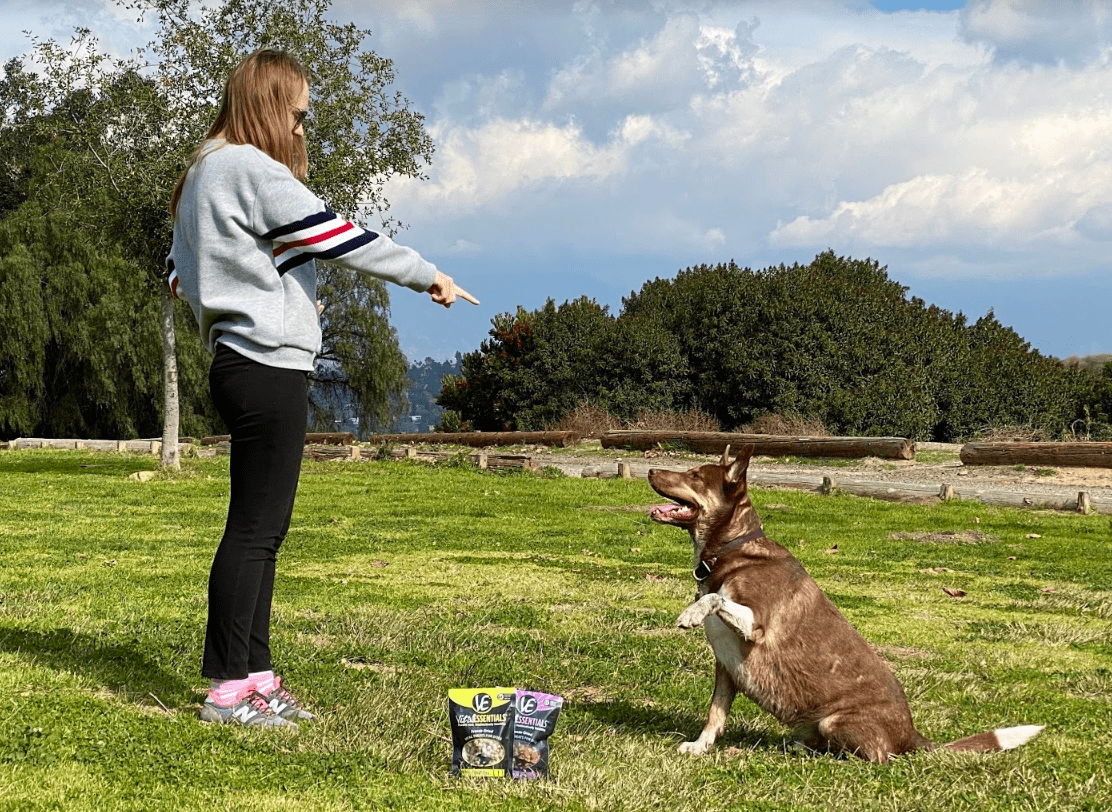
Once your canine has mastered this part, you can teach it to come. After your canine has actually remained, tell it to “come.” Have a happy voice and pat your knee as you state “come.” Your dog must react to this canine training right now and you may then reward it.
Use Rewards To Help Train Your Dog.
Always use appreciation rather of penalty with canine training. Pets respond best to favorable dog training, instead of negative. With all of this in mind, you should have the ability to teach your pet dog the 3 basis commands.
Follow all of this recommendations and you need to soon have a more obedient canine that deserves everybody’s appreciation!
If you do pick to do the canine training yourself, it is best to get informed on pet dog training.
Many individuals opt to adopt a canine without actually thinking it through. If you have embraced a pet that needs to be trained you can utilize the standard that is provided in this short article.
What’s Needed For Dog Training
Take a moment to attempt and think like he does if you desire to assist your pet dog succeed in his training program. Understanding how your pet views the world can help you make better training choices for him. The much better fit your program is to your canine’s personality, the more success you will have while training.
A typically neglected part of excellent pet dog training is to evaluate and improve the pet dog’s diet. The old expression that you are what you eat absolutely uses to pets. A lot of behavioral and medical problems can be traced back to a pet dog’s diet plan. Ensure you are doing all you can to provide your canine the absolute best food it can get.
Training your canine to accept managing from complete strangers is crucial to their socialization. Begin by ensuring the dog permits you to handle it without demonstration. Run your by far the pet’s legs, under its tummy, pull gently at its ears, and open the pet dog’s mouth. This will make it much easier for specialists like groomers and vets to manage your pet in the future.
Walking Your Dog Is Good For Exercise And Training
Walking your pet is one of the most essential aspects of pet training. It is throughout these strolls that you develop dominance. It is important that you are in command of the walk and not the canine. This implies that you need to always be in the lead, with your canine walking beside, not in front of, you.
It is essential to comprehend your pet dog’s character, and what type of training fits for your pet. Not all pets are alike, just like not all human beings are alike either. One training technique that might work for one pet, might not work effectively when training a completely different pet.
You need to control your emotions, so that your dog gets the right idea from your training. Regardless of your pet dog’s general efficiency, be unreserved and free with praise, when your dog does what you desire.
Your Dog Will Respond Well To Praise
For efficient pet dog training, any correction or praise ought to happen when you catch the pet dog in the act of the behavior you are attempting to enhance or remove. By doing this, your pet dog will link his behavior to your reaction. If you reprimand a dog after an undesirable action, he will be confused.
Even if you have had your dog for an extended time period and they have actually not been properly trained you can use the info that has been offered to appropriately train them. Because they do not know any better, it is crucial to act as rapidly as possible prior to the canine triggers harm to somebody.
A frequently overlooked part of great dog training is to enhance and evaluate your pet’s diet plan. Walking your canine is one of the most essential elements of canine training. It is crucial to comprehend your pet dog’s temperament, and what type of training fits for your dog. One training technique that may work for one dog, might not work successfully when training a completely various pet.
For efficient pet dog training, any correction or appreciation need to take place when you capture the pet dog in the act of the habits you are attempting to remove or strengthen.
Many pet owners are no longer comfortable with the way traditional animal care has been applied to their pets and are seeking options to improve their pet care options. No longer do pet owners want to associate the quality of their pet’s lives just by measuring how long they live. These pet owners want to focus on the overall quality of life that their pet can enjoy and how both they and their pets can benefit from it.
Traditional Pet Care Alternatives
This new pet car mantra isn’t an anti-vet campaign, mainstream animal care does have an important role to play. What is changing is the openness to other options that some pet owners have. Instead of instantly running to their vet they are exploring alternatives such as homeopathic and naturopathic types of treatments for their beloved pets.
Traditional pet care has been centered on using veterinary services for just about every aspect of your pet’s care. This has included foods, often sold by the vet, as well as medicines and other care items either sold or prescribed by the vet. As modern veterinary medicine has advanced, so have the amounts of treatments and medications being offered.
The movement away from this type of vet-driven care has focused on three different types of alternative treatments for pets; preventive, holistic and natural treatments. All three have plenty of followers and, sadly, plenty of misinformation and a complete lack of any kind of regulatory control. It falls on the animal owner to research and decide what pieces of any or all three alternative types of pet car will work.
Preventative Pet Care
Preventative pet care is exactly what it says it is; you are taking precautions that will help your pet avoid health issues. These precautions can be quite simple, such as making sure that your pet’s environment is safe. Another type of preventive care might be a regular exercise program for your dog. Like humans, too much inactivity can lead to weight gain and heart issues. Grooming your pet and cleaning their teeth are also excellent types of preventative care. Granted, cleaning your pet’s teeth may require professional help but using a vet’s services isn’t a bad thing. What you are trying to do is balance your pet’s care.
Holistic Pet Care
Holistic pet care is probably the most misunderstood type of alternative pet care. Many people, when hearing the word holistic, have visions of hippies waving herbs over a pet while chanting. While that vision may be entertaining it is also very wrong. Holistic means using different types of treatments for different types of problems.
You may use massage for your pet’s joint problems or herbal remedies for better skin and a shiny coat. Acupuncture and chiropractic treatments are very common types of holistic treatments. More and more traditional veterinarians are adding holistic treatments to their care options, they have begun to recognize the benefits of some alternative treatments.
Natural Pet Care
Natural pet care is similar to holistic but it concentrates more on a pet’s diet and nutritional supplements, along with exercise, to keep certain types of illness at bay. Pet food is the number one focus with natural pet care. For years people just picked up a bag of dog or cat food, put it out in a bowl and let their pet eat. Recent studies have shown that many commercial pet foods, even those made by well-known companies, contain high amounts of filler and empty carbohydrates. Just like a lot of Americans, our pets were eating a lot of junk and were suffering all of the diseases and illnesses that come from obesity and poor nutrition.
The problem that can arise when trying to follow a natural type of pet care is that there is no legal definition of natural when it comes to pet food. The same issue exists for people, the word natural may be prominent on the label but it really doesn’t mean anything. What a pet owner that wants a natural diet for the pet has to do is read the label. That may sound basic but the label will tell you exactly what your pet is eating. If the number one ingredient is wheat you will probably end up with an overweight dog. However, if the number one ingredient is salmon, your pet has a better chance at better health.
Following A Natural Pet Diet
Natural diets will include meats and fish for protein and certain types of vegetables for vitamins and minerals. Your pet doesn’t product essential fatty acids naturally, they need to get them from their food. That is where fish high in omega 3 oils are beneficial, they are loaded with essential fatty acids as well as protein.
Grains are a source of concern for your pet’s diet, especially when you are trying to feed them natural foods. Whole grains are better than regular (processed) grains but they can still contain too many carbs. Unless the corn in the food is labeled organic you should assume that it is genetically modified. Most foods will need some type of preservative to keep it safe for eating weeks or months after it has been manufactured. Again, read the label carefully and try to avoid synthetic chemical preservatives like ethyoxyquin, BHT, BHA, propyl gallate and propylene glycol.
Raw Food Diet
Many disciples of natural care and feeding for their pets, especially their dogs, have fallen in love with the BARF plan. This somewhat odd acronym stands for Biologically Suitable Raw Food, or Bones And Raw Food, and is usually referred to as a raw diet. The key ingredients for a BARF diet will be raw meats, dairy items, nuts and some vegetables. Some dog owners have varied this diet a bit and will cook the meats instead of serving them raw. Others have mixed in fish such as salmon, but there is always a concern about bones whenever you use raw fish.
The thinking behind a natural raw diet is that your dog is a carnivore. Animals in nature don’t have kibble or other processed dry foods to eat, they eat what is available to them. Most dogs that are fed a raw diet will have shinier coats, cleaner teeth and more energy. The downside of a raw diet can be a lack of some nutrients and potential problems with bones. There also can be problems with bacteria found in raw meat.
Deciding if your dog will need vitamin and nutrient supplements while on a raw diet is where your vet becomes important. Without testing your dog’s blood you would be hard pressed to know if your pet needs any vitamin supplements. If they do need supplements you will again want to look for natural supplements. Baker’s yeast and garlic are two natural additives that will add vitamins as well as act as natural flea and tick control additions. If you need to add vitamins and minerals to your pet’s diet make sure that you never five them vitamins meant for humans. Find the needed supplements at a pet center and check the labels for synthetic additives.
Should You Vaccinate Your Pet?
Vaccinating your pet has become a hot topic and is a source of contention between followers of traditional pet medicine and some of the practitioners of alternative pet care. Most pet owners understand the need for basic vaccinations such as rabies and distemper. Many municipalities require these vaccinations for all house pets and they can only be given by licensed veterinarians. The major area of disagreement comes with other types of vaccinations. Some studies have shown that annual vaccinations such as those for hepatitis and parvovirus can create other health issues.
Some types of traditional pet medications can be replaced by holistic and natural alternatives. Most pet owners know that applying flea and tick medicine to their pet is messy and often stressful. Adding yeast and garlic to your pet’s diet is a natural way of protecting your pet from fleas and ticks, your pet won’t taste good to the mites.
Your Pet’s Mental Health
Mental health for your pet is a fairly new area of study and it has been embraced by people suing holistic and natural care for their animals. Mental stimulation for a pet is very important, they get bored just like humans do. Animals can also suffer from depression and anxiety and these can lead to physical health issues. Stimulating your pet’s brain and keeping them engaged is vital, they will be more focused and happier because they are being involved in activities. While it’s important to get them plenty of physical exercise, it can be just as important to exercise their brains.
Does all of this mean that you don’t need to take your pet to the vet anymore? Absolutely not, your relationship with a good veterinary clinic needs to be a part of your pets care program. There are basic vaccinations that require a vet and even the most attuned pet owner can’t always tell what is wrong with their beloved animal partner. But a vet should never be the only provider of care for your pet. Holistic and natural pet care practices have shown that they can be excellent substitutions for some of the services provided by a vet, usually at a lower cost and with a more natural presentation. Your pet will benefits from your practice of alternative pet care treatments.
Having a canine as a pet is one of life’s satisfaction. For the best interests of you and your dog, you should create and stick to a training plan to assist your new puppy comprehend what is acceptable behavior and what isn’t.
It is essential for you to focus on appropriate habits and teach your animal to comprehend the expected practices, and maybe a couple of fun techniques along the method. One of the first concerns to address is if you should utilize expert training classes or try to set up a training regular by yourself? There are plusses and minuses for both. Registering your canine in training classes will enable you to use the professional services used by that trainer. The downside will be the cost and the inconvenience of taking your canine to the class site and blocking out time regularly. If you decide to establish a training schedule in your home and by yourself you will conserve the cost of an industrial trainer however you might not know precisely what to do or how to do it.
Should You Use A Dog Trainer?
There are lots of business and expert pet training choices available in almost every city. Both you and your family pet will learn some basic commands and reactions, and it permits your pet dog to connect with other dogs and people.
For a lot of people it is best to employ an individual canine training instructor. While there will be an expense associated with this process, you will be able to discover with your dog all about appropriate behavior, commands and reprimands from someone who is trained to teach. Some people aren’t comfy with reprimanding their pets and require the assistance of a qualified trainer to make sure that the training is constant and that the pet can comprehend what is expected of them.
A quality canine instructor won’t just get your animal and begin training. They will spend time with both you and your dog, examining how you respond with each other and spot any strengths or weaknesses that will need to be addressed.
Choosing to pursue dog training on your own can be rewarding for both you and your animal, however it will need a dedication on your part. All that will do will be to puzzle your dog. There are likewise quite a few training products that will help you such as special training collars, training leashes and muzzles. YouTube has thousands of videos revolving around pet training.
Here are some suggestions to get you started on the path to having a well-trained, delighted and healthy canine. Every dog is an individual, just like every pet owner is individual. Be flexible while you are being consistent.
Training Suggestion # 1:
Start your animal’s training off on excellent note by registering them in a fundamental, free standard obedience class. This is an exceptional location to begin as it will enable you to discover how to teach the 3 fundamental commands every canine needs to react and understand to. Those commands are sit, stay and heel.
These classes will teach you how to use both spoken and physical actions to suggest which habits you desire your canine to do. The standard method to teach the command “sit” is to mention the word “sit” clearly, then carefully push your canine’s rear end down onto the ground and settle them into the sit position. You then should instantly praise them verbally, the word “excellent” works well here, and smile so that they see your face when they hear your appreciation. Provide a tasty treat of some kind and rub them on the head. You want to enhance positive behavior consistently so that your dog comprehends what is anticipated when a command is given.
Training Suggestion # 2:
Constantly bear in mind that your canine, particularly if they are a young puppy, will soak up rapidly any details about what is appropriate habits and what is unacceptable. This is why consistency is very essential, your dog is going to remember what you let them do.
Training Suggestion #3:
By reinforcing good behavior you will advise the dog that this is what they are expected to do. You can strengthen the behavior quickly by smiling at them while petting them, give them a treat while praising them, or just by letting them know you are proud of them. Showing them support and appreciation will greatly accelerate the learning cycle for your family pet.
Training Suggestion #4:
If you let your dog feed anytime throughout the day you might discover that the use of pet treats to reward training will not be as reliable. If your dog is a bit hungry during your training sessions they will be more likely to react to your commands in the hope that a food treat will be the benefit.
Training Suggestion #5:
Like individuals, dogs can only deal with so lots of brand-new concepts and commands at one time. Don’t get dissuaded and do not reprimand the pet, merely go over what you covered in earlier sessions and make sure the canine is comfy with the essentials. Later you can gradually add more complex and brand name new commands to the training.
Training Suggestion # 6:
While it is important to have regular training sessions, you don’t require to have them at the very same time every day. This can put excessive pressure on both you and your animal. If you normally train at 5:00 you might feel stressed due to the fact that you can’t get home by 5:00 and stress that all of your work has been for absolutely nothing. Don’t be too rigid. Deal with the basics every day however by versatile when you do it. Don’t have the sessions last for more than 5-10 minutes. Your pet dog’s attention period isn’t that long and they might quickly lose interest.
Training idea # 7:
Training your animal at home might be comfy but it likewise may offer too many diversions to both you and your pet. Try to have your sessions in a part of your house that will offer a quieter environment. Keep other family pets and member of the family away from the training area and ensure there are not external diversions like music or television sound. You actually require to keep your pet’s attention on you and your commands, a hectic atmosphere will be far too distracting.
If you are in a quiet area, you will typically discover that your family pet appears sidetracked even. They might appear like they have actually forgotten whatever that you have dealt with or they may seem totally unwilling to work with you. This will be a time that needs persistence and determination on your part. When they react positively, invest some time bringing their focus back to the lessons and reward them.
Speak with your vet about the best food for your dog and do not alter what you feed them while they are going through training. Dogs, like people, have different tastes when it comes to food and treats.
A well trained dog is a delighted, comfy canine and you will benefit too. Bear in mind that your responsibility is to be constant, consistent and client. The outcomes will well worth the effort.
Job number one for any cat owner is to keep your cat healthy, safe and comfortable at all times. This can be a challenge at times. Cats, like people, get sick or sad, often without any warning. It’s your responsibility as a pet owner to make sure that your beloved cat is very well taken care of.
Cat Care Tip#1: Food
The first area of good cat care to be addressed is food. Your first instinct is to always give your cat only the best cat food, but finding out which food is actually good for your cat will take a bit of research. Far too often foods are labeled premium or natural, but they may be the equal of junk food for cats.
A good place to start your research may be with the vet who is treating your cat. They can make recommendations on types of food that will address any health issues your pet may be facing. Cats, like people, can become overweight and there are health issues related to obesity. You may need to look for cat food that is aimed at reducing weight. It’s important to check the ingredients label and become familiar with some of the items added to cat food. Try to avoid fillers and by-products, they add bulk to the food but have little or no nutritional value. Fillers are usually empty carbohydrates and can add to your cat’s weight problem.
Foods that are high in omega 3 oils, commonly found in salmon and other fatty fish, can be very good for your cat’s skin and fur. Proteins that come from meat, such as beef, pork and bison, are easily digestible, and will help your pet’s overall health. Look past the first 3 or 4 ingredients on the food label to make sure that you are buying a good quality food for your pet. Sadly, there are no guidelines or laws concerning the use of the words natural or premium when it comes to labeling cat food.
Cat Care Tip#2: Watch For Any Changes
Watching your cat for any changes in behavior is a good way to spot problems and hopefully get some type of treatment if needed. Cats are usually creatures of habit and you can use this quality to spot abnormal behavior. Some signs to look for would be any change in eating habits, litter box issues, constant grooming of a certain area or frequent coughing attacks.
Any of these changes can be signs of some internal problem and you should take some type of action. Your cat can’t talk to you and it’s up to you to watch for any signs of distress. If you decide to change the brand of cat food you are serving your pet you may notice some of these changes as your cat adopts to the new food.
Cat Care Tip#3: Work With Your Vet
Guarding your pet’s overall health should start with vaccinations. Work with your local vet to make sure that all of your cat’s vaccinations are up to date and that you have a schedule for any vaccinations that will need to be given in the near future. The problem of feline distemper can be fatal to your cat, but it is one of the easiest to vaccinate against. The same can be said about feline leukemia, fatal but easily avoided with a vaccination. Vaccinations are doubly important if your pet is exposed to other animals, especially other cats. Be a good pet owner and keep your pet’s vaccinations up to date..
Getting worms isn’t just a problem for dogs, it also is a common problem for cats. It’s more common with cats who spend time outdoors, they are exposed to more of the carriers of worms than are cats who stay indoors. You can see the symptoms of worms quite easily, they will appear as little white lines around your cats anus and paws. Your pet will also suffer from a noticeable weight loss and vomiting. Your vet can give you medication for worms, usually in a liquid form that you give orally.
Cats can lead long, healthy and happy lives with just a little bit of help from their two legged owners. Treat your cat’s health like you would your own and have them eat right and have regular visits to the vet.
There is a lot to love about this super premium cat food from Rachael Ray and her Nutrish line of natural cat food. It can be a challenge to dig through labels to find the best natural cat food for your pet, there are so many foods that have fillers. Luckily you won’t have that problem with this product, the ingredient list is small and all natural.
The number one ingredient in this cat food is salmon, an ingredient that all cat owners can agree on as being beneficial to a cat’s diet. Salmon is rich in omega 3 oils and these oils help to keep your pet’s skin soft and their fur luxurious. Salmon is rich in amino acids as well and your cat will benefit from the salmon. Plus, cats love the taste of salmon and your pet will love having this food.
Brown rice is the other mainstay ingredient of this premium cat food. Just like in a human diet, brown rice is an excellent source of fiber to aid in digestion. Brown rice is also very high in vitamin B and is a good source of carbohydrates. Peas and beet pulp are also added for fiber and natural vitamins.
Natural Cat Food Shouldn’t Have Filler
Sometimes it’s more important to pay attention to what isn’t in your cat’s food than what is actually in it. Far too many cat foods claim to be natural or healthy but have ground corn, wheat or soy additives. None of these ingredients are beneficial to your cat and add empty carbs that can lead to weight gain. Also missing from this food is poultry by-products meal and filler. Poultry itself can be a great natural addition to cat food buy poultry by-products are exactly what the name implies.
Changing Your Cat’s Diet
Anytime you change your cat’s diet there will be issues with your pet’s appetite, especially when you move them to a healthier diet low in empty carbs. The Nutrish people have a chart that helps you mix your cat’s old food with this new super premium food in a way that makes it easier for your cat to switch foods.
Is This Natural Cat Food A Good Value?
For once we can say that a natural cat food is both healthy for your cat and a good value. Most retailers will be selling this food for $17-19 for a 14 pound bag. That works out to about $1.35 per pound and that is a very good value. Even other types of Rachael Ray Nutrish cat foods are prices higher.
One Source Of Confusion With This Cat Food
Some people have allowed themselves to get wound up about the addition of corn gluten meal to this food, thinking that it is ground corn. Some have decided to rant at Rachael Ray, calling her a fraud. The problem is that the ranters don’t know what they are ranting about. Corn meal gluten is not ground corn. Ground corn is a common filler in pet foods and doesn’t add any nutritional benefit. Corn gluten meal, on the other hand, is an excellent source of protein, it is the concentrated protein of corn. It is easily digestible and is a great source of protein for your cat. Too bad some people have decided to go crazy over something they have little knowledge of.
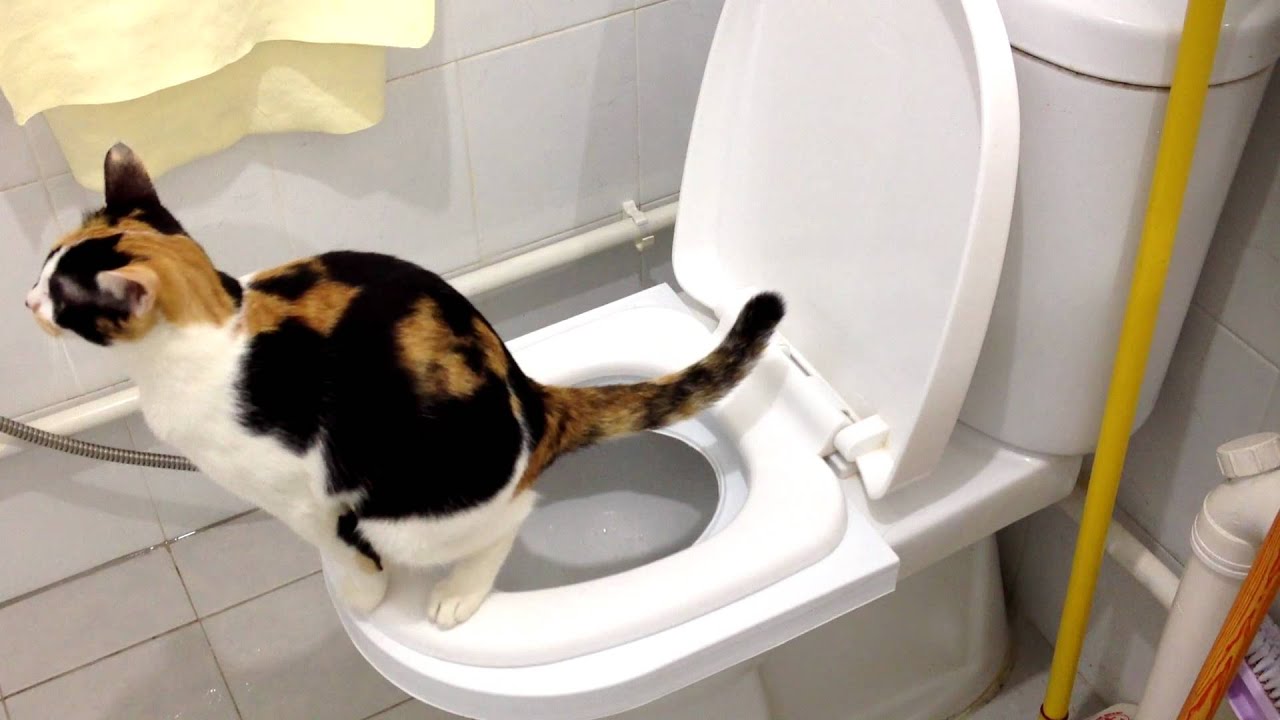
Toilet training your cat is a simpler task than you may believe. A number of strategies can be utilized for training your cat to use the toilet, and you can even purchase items that will assist you in toilet training a cat.
The Advantages Of Cat Toilet Training:
Teaching your beloved cat to utilize the toilet can hold a number of benefits for any cat owner. The greatest benefit is the elimination of any odors associated with a litter box. Cat litter also can get expensive and no one really enjoys cleaning out the litter box. After toilet training your cat, you shouldn’t need to buy cat litter again. You can also ditch any litter box tools that you have on hand, they won’t be needed any more either
Litter boxes have to be cleaned or replaced regularly or they will end up smelling awful. Once you get your cat trained to use the toilet, the water masks the majority of the offending odors. All you need to do is flush, an activity much simpler and easier than cleaning up a litter box. Another benefit will arise when you have a friend or family member check in on your pet for those times that you aren’t going to be around. No longer will they need to even check the litter box, they just need to go into the bathroom and flush. There only other task is to make sure there is fresh food and water. You have taken the ick factor out of checking in on your cat. https://www.youtube.com/embed/UdJqAQfhvn8
Do-It-Yourself Cat Toilet Training
Training your kitten to use the toilet depends entirely on their personality and your persistence. If you have a cat that enjoys being applauded and rewarded, you will have an easier time than trying to train a belligerent pet. Because all pets are different and have different personalities you will need to adjust your tactics at times. Patience is required and, even if you have a cooperative pet, you will need 2-3 weeks to fully train your cat.
Cat toilet training generally starts by slowly moving the litter closer to the toilet, making your cat more comfortable in that room. Eventually you will place the litter box in the toilet bowl and leaving it there most of the time. Don’t be too hasty in moving the litter box into the bathroom, it make take 3-6 days just to get the cat comfortable with the room.
The entire training process needs to be a gradual process that reinforces the idea that your cat should us the litter box wherever it is placed. It may be a 2 week project to get the cat to use the toilet after you have place the litter box in it, you will need to be supportive and patient. Don’t get frustrated if you have to repeat some steps, this is brand new behavior for your cat.
Basic Cat Toilet Training Steps
1.Gradually begin to move your cat’s litter box towards the bathroom. Make sure they are comfortable in any area that you place the box in, this will help when you finally move the box into the bathroom.
Begin raising up the litter box by placing it on non-slip items like a box with a towel on it. Let the cat get comfortable with the height for a few days before raising it again. Make sure that there is a step or two that the cat can use to get to the next level. Similar to moving the box into the bathroom in the first place, make sure your cat is comfortable with the height. Your patience will be tested with this step but by using positive reinforcement you will be able to soothe your cat and get them to understand what is expected of them. After a week or so you should have the litter box level to the height of the toilet bowl. Make sure that you always have the lid up and the seat down on the toilet, this will be the position that the cat will use when they finally start using the toilet.
Place the litter box on the open toilet. You can leave the stairs that you create for each level of height that you added, but after a while your cat will probably just jump up onto the toilet seat. If necessary, place your cat in the litter box and pet them while talking low and soft to them.
This is the step that may involve you buying a product designed for holding a litter box over the toilet. There is a wide variety of bowls and trays that are designed to fit snugly inside the bowl even with the extra weight of your cat. You will still be using kitty litter at this step but you can buy litter that is flushable. You should get rid of the old litter box so that the cat doesn’t try to use it.
As your cat begins to get used to the litter box inside of the toilet you will want to pay close attention to where the paws are placed. You will want your cat to have all four paws on the toilet rim or seat, forcing them to squat in a position that will allow them to use the toilet. Out of habit your cat will probably have at least two paws in the litter and you will need to change that behavior by rewarding them when their paws are in the proper position.
It’s natural for cats to scratch in their litter box to try and cover up any odors. Cats are finicky about cleanliness and they will try to hide any smells that they don’t like. Make sure that your toilet is clean and odor free when you are training your cat to use it, they make try to scratch to water out of habit. Using flushable cat litter during training helps you keep the bowl clean and helps to keep your cat from scratching and sending litter all over the place.
If you notice that your cat has stopped using the toilet bowl you may need to back up a few steps and start over. Check the water level in the toilet bowl to make sure it is high enough to cover any smells but not too high that it would be touching the cat.
Once your cat has become comfortable using the toilet it is important that you keep it clean and that the lid is always up. Make sure that the door is always open and that your cat will always have access to the toilet.
Products To Help You Toilet Train Your Cat
You will probably be surprised at the number of products available to help you toilet train your cat. You can find a tray that is designed to fit inside the bowl that allows you to use flushable litter while your cat gets used to the toilet. Make sure that the items you buy are sturdy and strong enough to support the weight of your pet. It’s also important that the tray or box that you add to the toilet bowl fits firmly, your cat will be walking on it, scratching the litter and sitting on it. This is not the time to have a lose box fall into the water.
You can find toilet training kits and supplies at almost every discount store, pet store and online retailer such as Amazon.
The Disadvantages In Toilet Training Your Cat
There are some cat owners who don’t approve of a cat using a toilet. They feel that there are dangers for the pet because the bowl and seat can be slippery, causing the cat to fall. Some think that because a cat has a normal instinct to cover their smell will lead to the cat scratching at the water and sending waste all over the bathroom.
Another concern is that you won’t always be able to monitor your cat’s urine for any signs of illness. You can sometimes smell a urinary tract infection when your cat uses a litter box but you may miss that sign if the water in the toilet masks the smell.
Should you toilet train your cat? Obviously it is a decision that requires a lot of effort on your part. Most vets are fine with it and many pet owners have loved the convenience of not having to mess with a litter box any more.
Far too many dog food brands advertise themselves as natural but in truth add a lot of filler and processed ingredients to their dog foods. We really like the Natural Balance Limited Ingredients dry dog food because they not only don’t use additives, they keep the number of ingredients to a minimum. This can be especially important for dogs that have digestion problems.
Whether you’re taking a trip to your local vet or a cross country journey with the family, how to travel with your pets can be a source of concern and worry. The best pet travel carriers can make the journey less stressful for your beloved animals and less of an inconvenience for you. The main difficulty can be finding out what is the best carrier for your cat or dog, both from a safety and a comfort point of view. It also depends on how you are traveling and how long the trip is going to be. Here are some pet carrier options that you may want to consider before your next trip.
Wheeled Pet Carriers
This type of pet carrier is almost always made of a solid, sturdy plastic shell and tends to be very durable. Some of these units closely resemble travel luggage while others look like baby strollers or carriages. You will appreciate a carrier that has both front and back zippered pet openings, as well as a mesh vented compartment. Most of these carriers have collapsible handles and the latches are smooth with the shell surface. Like a pet kennel on wheels, this is an all-purpose pet carrier.
It’s very import to buy the correct size carrier for your pet. Small carriers are typically designed for pets up to 8 pounds; medium sized carriers can comfortable handle a pet that weights up to 15 pounds while a large holds pets up to 30 pounds. The weight of your pet is not the only element in picking the appropriately sized container, the animals bulk matters as well. Think of a chunky bulldog and how wide they are. You will want a larger carrier for this type of pet. You need to ask whether or not your pet will be comfortable and secure in the container.
Front Sling Pet Carriers
A front Sling pet carrier is a styled like a vest, allowing you to carry your pet hands-free will still keeping them still and safe. Pet sling carriers are perfect for practically any small animal, especially small dogs who are always curious about what is going on around them. You can snuggle your pet in the kangaroo pouch of this carrier and give them a sense of safety and security.
When searching for a family pet sling carrier, look for one with adjustable well-padded shoulder straps, a waist strap for stability, a security leash collar attachment, and a firm cushioned bottom to keep your animal comfy. Some models have openings at the bottom that allow your pet’s legs and tail to hang out, giving them a sense of freedom.
Small Pet Carrier Totes
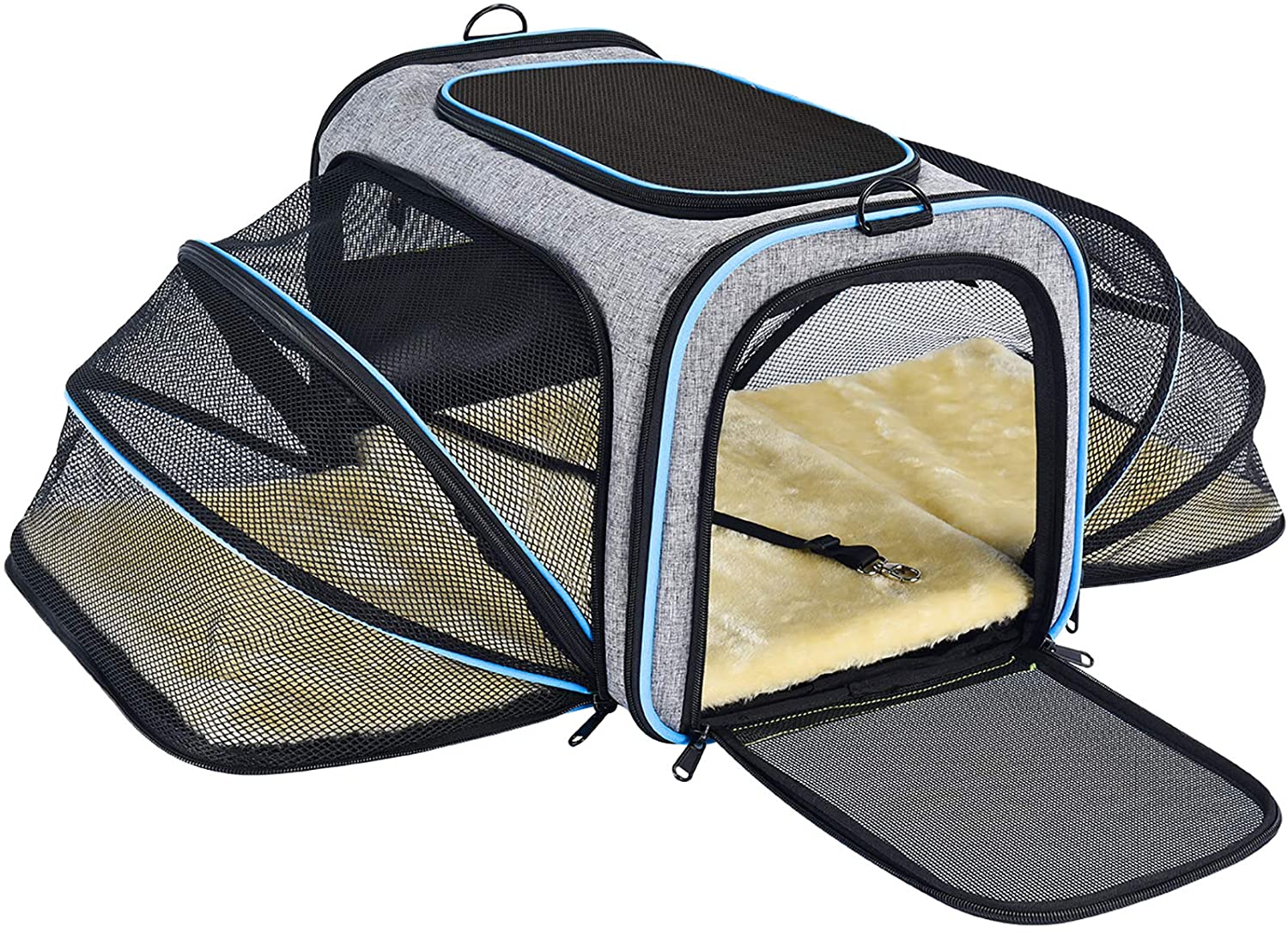
It seems like you see animals in toots everywhere today. People love to take their pets with them and that is much easier to do with the advent of well designed small pet tote bags. Some totes are simple and subdued in design, others have exotic decorations and are as much a fashion accessory as they are a practical pet carrier. Once again, it is important that you have the proper sized tote to fit your pet’s needs. Be wary of zippers, the rough edge can cut into your pet’s flesh if the bag gets bumped or dropped.
There are other types of pet carriers as well depending on what type of travel you are planning to do. If you are traveling by car it is always best to have your pet, especially an active dog, in their carrier or dog seat, they should be buckled in. Traveling by plane almost always means having your pet in a hard shell carrier with open and vented sides. They will be traveling in the luggage compartment and comfort will be at a premium. Make sure there is plenty of bedding for them to nestle into and have a few toys or other creature comforts to help them pass the time.
















 The Best Natural Pet Food Store